
SPOTLIGHT SPEAKERS
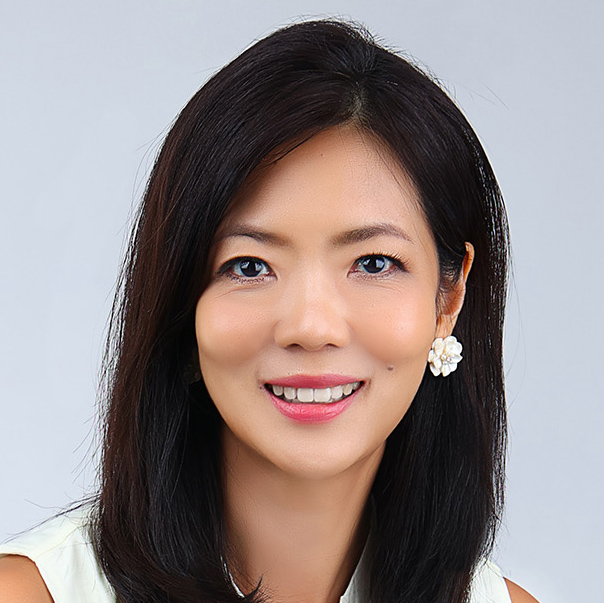
Executive Director, A*STAR Infectious Diseases Labs and A*STAR’s Biomedical Research Council
Infectious diseases continue to be responsible for >28% of the annual deaths worldwide.
As an investigator in this field for >25 years, Prof Ng has made seminal discoveries as senior author to improve disease diagnosis, treatment and prevention of SARS, Influenza H5N1, CHIKV, ZIKV, COVID-19, and Mpox.
Tapping on her expertise in pathogen biology, Prof Ng was able to rapidly develop diagnostic kits during the 2003 SARS epidemic and developed various tests to detect the presence of the highly pathogenic avian influenza virus (H5N1) during the 2005–2006 bird flu outbreaks.
During the COVID-19 pandemic, her team pivoted rapidly to develop novel tools that enabled key studies in infection and immunity.
Her work is recognized globally due to her strong foundation in biology and sharp focus on translation.
Prof Ng is a SNAS (Singapore National Academy of Sciences) Fellow and an exclusively elected member of the prestigious Henry Kunkel Society for immunologists of human diseases.
Prof Ng is recognized as Clarivate’s Highly Cited Researcher and among the Top 2% Scientists Worldwide by Stanford University in 2023 and 2024. She also received the President’s Science Award 2025, the country’s top honour for research scientists pushing the boundaries of science and technology in Singapore.
View Title and Synopsis
Over the past 30 years, several key infectious diseases are of vector-borne origin, mainly transmitted by mosquitoes. Vector-borne diseases (VBD) remain a major public health challenge globally, particularly in the tropics and subtropics.
Arboviruses are a diverse group of viruses transmitted primarily by blood-feeding arthropods, most commonly mosquitoes endemic to Singapore and the Asia-Pacific region. In recent decades, factors such as climate change, rapid urbanisation, and increased global travel have amplified the threat posed by these infections.
Indeed, the 21st century has witnessed the resurgence of several medically significant arboviruses, including chikungunya virus (CHIKV), Zika virus (ZIKV), and dengue virus (DENV).
To address these threats, Prof Ng’s area of research at A*IDL is pioneering a multi-disciplinary network of cutting-edge science to uncover the evolution of arboviruses and the virus-host interactions enabling pathogen transmission.
They develop new experimental models to understand the disease and immunopathology of vector-borne infections, alongside bringing effective diagnostics, vaccines and therapeutics for VBD to market.
Their work will transform clinical management for VBD in close collaboration with their public and private sector partners across local, regional, and international ecosystems.
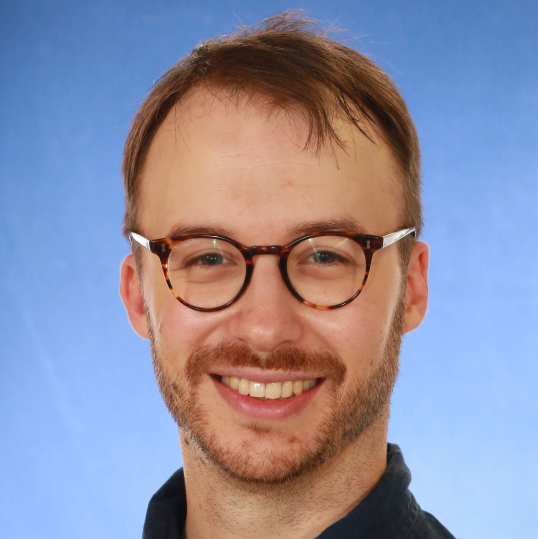
Assistant Professor, College of Computing & Data Science, Nanyang Technological University
Rob is a Nanyang Assistant Professor and NRF-AI Fellow in the College of Computing and Data Science (CCDS) at Nanyang Technological University (NTU).
Before that he was a Florence Nightingale Bicentenary Research Fellow in the Department of Statistics at the University of Oxford, where he also completed a postdoc and DPhil.
His research broadly focusses on building robust and reliable AI and machine learning systems, with contributions to deep generative models, geometric deep learning, causal inference, and uncertainty quantification.
From a theoretical perspective, he is also interested in developing better mathematical tools for describing and reasoning about AI systems, using ideas from category theory and logic.
Outside of academia, he co-founded a company called Quro Medical, a medical technology company that performs remote patient monitoring in Southern Africa.
View Title and Synopsis
The release of ChatGPT in 2022 brought AI firmly into the public spotlight. However, the ideas behind this technology took several decades to emerge.
This talk will provide a lay introduction to the key conceptual developments behind modern AI, including the shift from symbolic to statistical models, the rise of deep learning, generative modelling, language models, and current agentic systems.
The aim is to provide a high-level conceptual map for understanding how modern AI systems work, where they came from, and some of the challenges they raise.
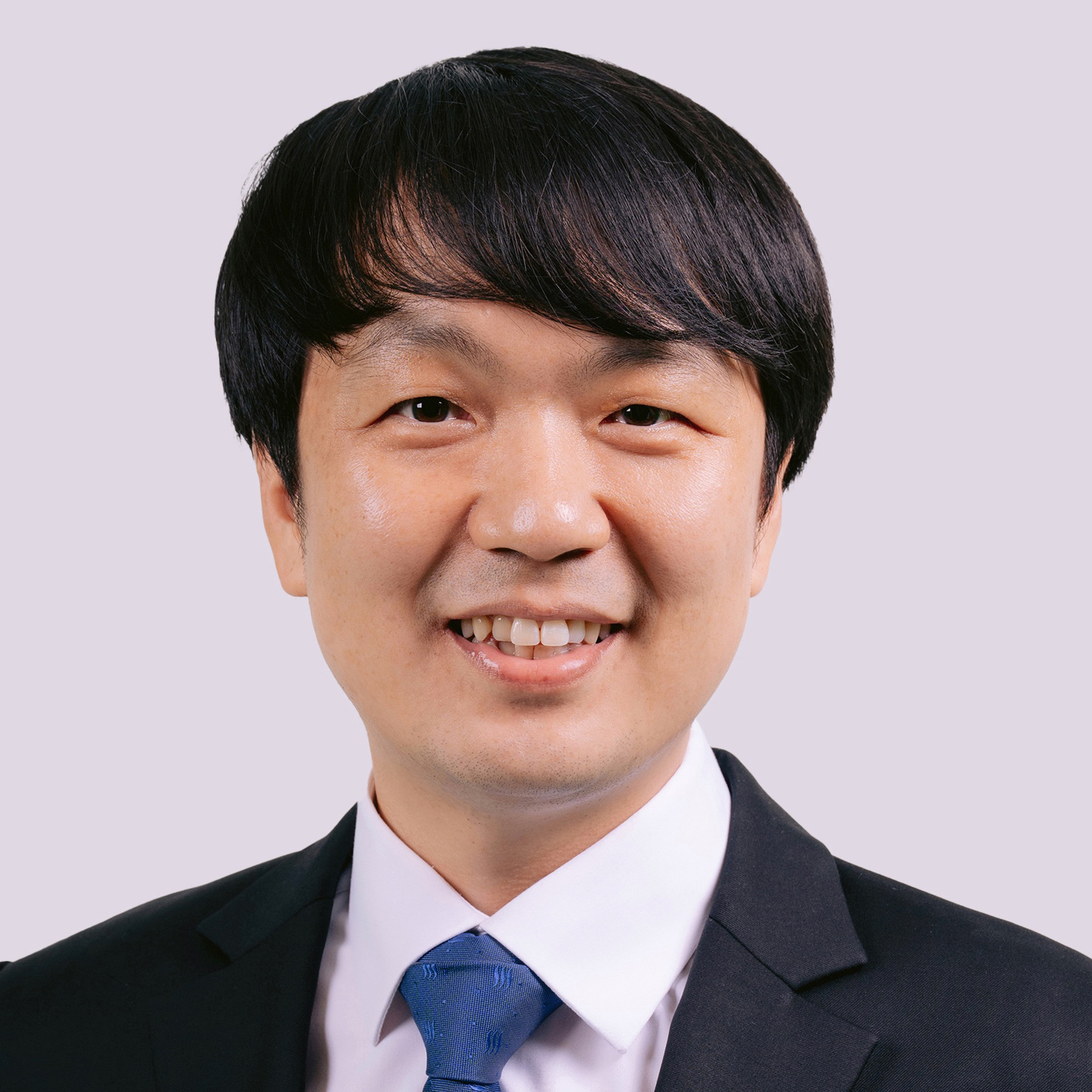
Assistant Professor, Natural Sciences and Science Education, National Institute of Education
Dr Park is an Assistant Professor at the Natural Sciences and Science Education Department at the National Institute of Education, Nanyang Technological University.
His primary research areas encompass multimodal representation and artificial intelligence (AI) literacy in science classrooms. His work on multimodal representation in science education focuses on understanding how the coordination and integration of multiple modes of representation, such as written text, spoken language, diagrams, gestures, and materials, enhance the comprehension and learning of scientific concepts.
Regarding AI literacy, he examines how to foster students' AI literacy, including the comprehension and application of AI concepts, tools, and methodologies, in the context of science education.
He is also interested in science demonstrations, with a focus on physics, to enhance teaching and learning.
He currently leads the NIE Science Demonstration Classroom (SDC), which aims to engage pre-service and in-service teachers, as well as primary and secondary students, more interestingly and effectively in science.
He contributes actively to the academic community. He serves as Co-Chair of the European Science Education Research Association (ESERA) Special Interest Group 6 (SIG 6): Languages and Literacies in Science Education, and as Associate Editor of Research in Science Education (RISE), and Pedagogies: An International Journal, one of NIE’s flagship journals.
View Title and Synopsis
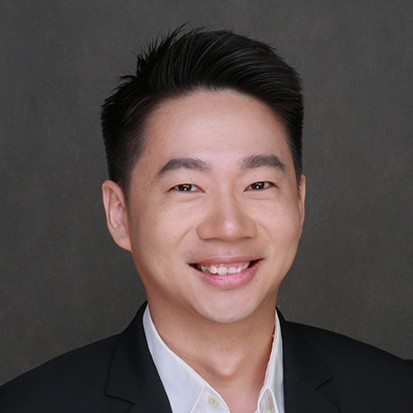
Research Fellow, Singapore Nuclear Research and Safety Institute (SNRSI), National University of Singapore
Dr Ian Ang is a research fellow at the Singapore Nuclear Research and Safety Institute (SNRSI), National University of Singapore. He is engaged in nuclear technology and safety research to support Singapore's strategic energy diversification efforts. As part of the Reactor Safety Team, he analyses accident sequences and plant responses; assesses severe plant conditions and associated safety challenges; develops standards and technical considerations for Small Modular Reactors deployment. His research portfolio also encompasses innovative and alternative siting of nuclear power plants such as underground deployment.
His doctoral research in nuclear forensics established a routine and robust method to sequentially characterise nuclear materials which are out of regulatory control, from the bulk to the micron scale. It provided critical insights by examining radioactive samples across both ends of the fallout spectrum; short term but large activity release such as from the Fukushima accident to slow, chronic, low-level regulated discharges from the Winfrith test reactor site. Dr Ang brings comprehensive experience in determining the provenance of nuclear materials, especially in analytical techniques such as gamma spectrometry, x-ray fluorescence, mass spectrometry, and scanning electron microscopy methods.
A passionate science communicator, Dr Ang is dedicated to making complex nuclear science concepts accessible to diverse audiences through hands-on demonstrations and clear explanations. Known for his forward and bubbly style during SNRSI’s outreach and education activities; he regularly gives informal lectures, speak in dialogue sessions, and conduct simple experiments for visitors.
View Title and Synopsis
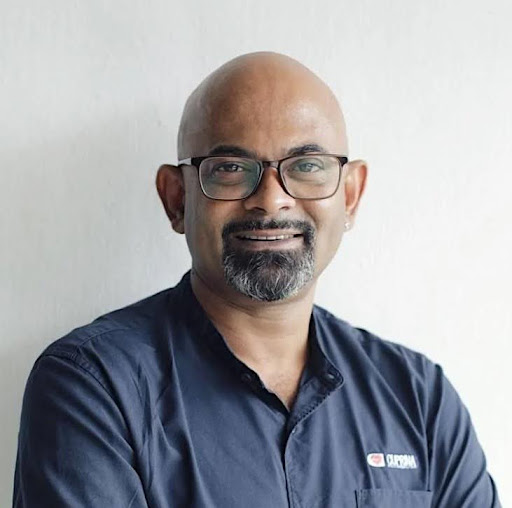
Managing Director, Pestroniks Innovation Pte. Ltd.
Carl Baptista is a biotechnology innovator and entrepreneur who applies biological systems thinking to address challenges in healthcare, sustainability, and urban ecosystems.
Trained in microbial genetics at King’s College London, Carl is a named inventor on five patents, including work in precision pollination for indoor vertical farming using alternative pollinators. Despite not having formal training in entomology or clinical medicine, he has published peer-reviewed research across applied entomology, microbiology, biotechnology, and clinical sciences.
He is the founder of MediFly, a biomedical solution using sterile larvae for the treatment of chronic wounds in Singapore’s public hospitals, supporting the management of conditions such as diabetic foot ulcers. He also developed methods to convert seafood waste into nano-collagen for advanced wound care applications. These innovations contributed to the growth of the company Cuprina Pte Ltd, which in April 2025 at just 5 yrs and 5 months old, went IPO and as a publicly listed company on NASDAQ.
Carl currently leads Pestroniks Innovations, focusing on biomimicry and sustainable urban ecosystems. He delivers lectures at CUGE and NParks on urban biodiversity, termite coexistence, and supporting native pollinators.
His work highlights the value of curiosity, interdisciplinary thinking, and applied learning—offering perspectives that support educators in nurturing adaptability and problem-solving in students.
View Title and Synopsis
How do you ensure that your students are ready to embrace the world they are to inherit? Beyond welcoming change, how do you inspire them to become the changemakers the world needs?
While the current generation is excellent at identifying problem areas, your role as an educator is to help them shape this awareness into active scientific innovation.
In this session, you will explore how to guide students to reframe “undesirable” things — such as pests, waste, and failure — into viable solutions. By examining a real-world journey that turned maggot therapy and biomimicry into a NASDAQ-listed biotechnology enterprise, you will gain powerful case studies to engage your classroom. You will walk away with practical strategies to encourage students to explore beyond textbook boundaries, develop essential problem-finding skills, and build lifelong scientific resilience.
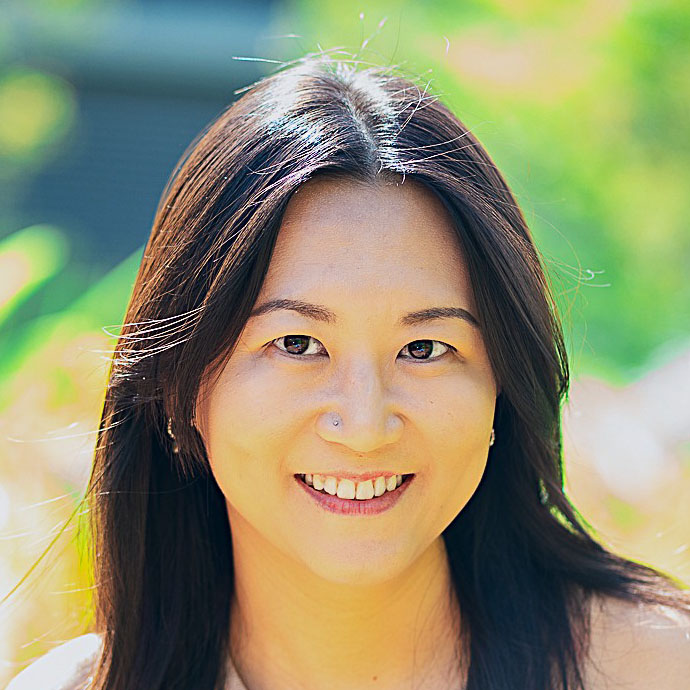
Head of Species Grants and Impact / Mandai Nature
Chairperson / Raffles’ Banded Langur Working Group
Deputy Chair / IUCN SSC Primate Specialist Group
President / Jane Goodall Institute (Singapore)
Dr Andie Ang is a prominent primatologist and conservationist specialising in Southeast Asian primate research. She completed her MSc at NUS focusing on critically endangered Raffles' banded langurs and her PhD at the University of Colorado studying Vietnamese leaf monkey conservation.
Currently, Dr Ang serves as a primatologist and head of species grants and impact at Mandai Nature and chairs the Raffles' Banded Langur Working Group. She is Deputy Chair of the IUCN SSC Primate Specialist Group and has been President of the Jane Goodall Institute (Singapore) since 2018, overseeing wildlife awareness programmes.
Over the past decade, she has conducted extensive field research on wild primates across Singapore, Malaysia, Indonesia, and Vietnam, collaborating with governmental and non-governmental organisations for species conservation. She founded the Primate Watching online resource (www.primatewatching.com) providing global primate species information.
Her research has received funding from prestigious sources including Mandai Nature Fund, National Geographic Grant, Mohammed bin Zayed Species Conservation Fund, Earthshot-Bezos Earth Fund and the OCBC Grant for the Environment. Dr Ang has received notable recognition including the American Society of Primatologists Conservationist Award (2019), Singapore Women's Weekly Great Women of Our Time Award for Science and Technology (2019), Singapore Tatler - Generation T Honouree (2018), and Prestige (2018-Under 40).
View Title and Synopsis
Dr Ang will share about the dynamic interconnections among Science, Technology, Society, and Environment through the lens of wildlife conservation, drawing on case studies from primate ecology and urban biodiversity.
By integrating ecological research with technologies such as trail cameras and genetic analysis, Dr Ang will demonstrate how scientific data can inform evidence-based conservation strategies.
Education, policy frameworks, and community engagement also critically shape conservation outcomes.
This presentation highlights how public participation in monitoring endangered species and cross-sector collaborations can influence environmental decision-making.
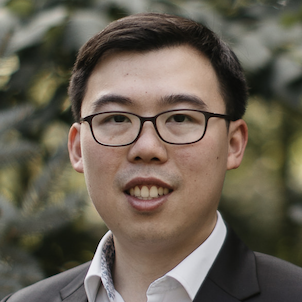
Senior Scientist, A*STAR Singapore Institute of Food and Biotechnology Innovation (A*STAR SIFBI)
Dr Sim is the Food Materials Science Group Lead within the Food and Sensory Science Division at the A*STAR Singapore Institute of Food and Biotechnology Innovation (A*STAR SIFBI).
He earned his PhD in Food Engineering at Cornell University and his B.A. (Hons.) in Chemistry from the University of Cambridge on the A*STAR National Science Scholarship.
Dr Sim and team are developing future foods and ingredients with nutritional advantages for human health and wellbeing.