
Keynote Speakers
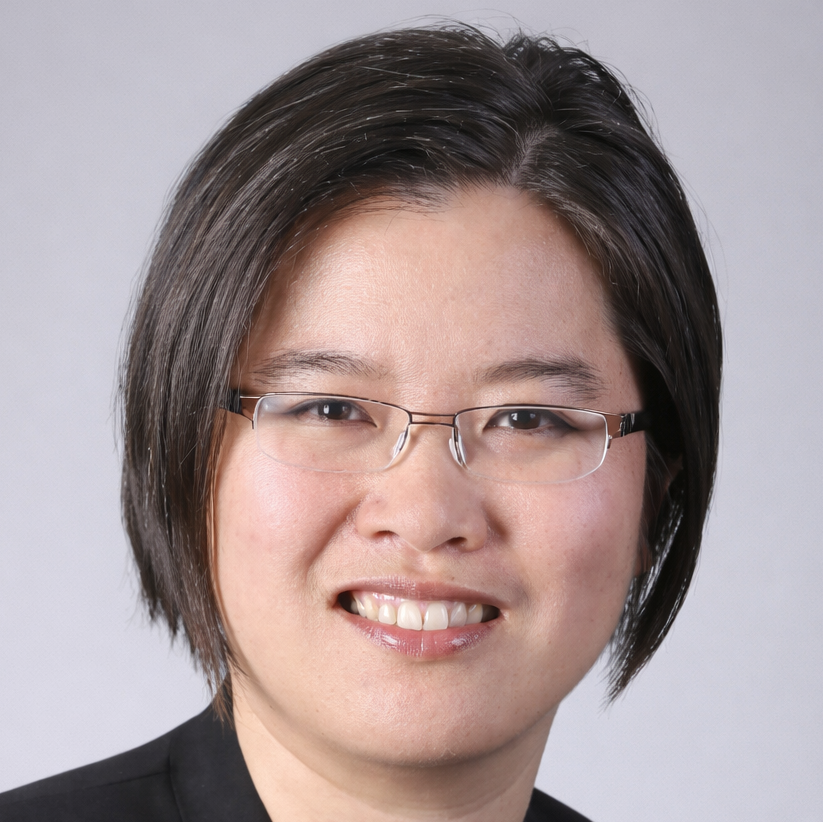
Senior Consultant, Division of Medical Oncology, National Cancer Centre Singapore
Associate Professor, Genomic Medicine, Lee Kong Chian School of Medicine
Associate Professor, Lee Kong Chian School of Medicine, Nanyang Technological University Singapore
A/Prof Joanne Ngeow 饶润仪, BMedSci, MBBS, FRCP, MPH, PhD is Senior Consultant, Division of Medical Oncology at the National Cancer Centre Singapore and Associate Professor (Genomic Medicine) with tenure at the Lee Kong Chian School of Medicine, Nanyang Technological University Singapore.
Dr Ngeow heads the Cancer Genetics Service at the National Cancer Centre Singapore with an academic clinical interest in hereditary cancer syndromes and translational clinical cancer genetics.
She led the introduction of universal mismatch deficiency testing for colon and endometrial cancer across SingHealth and is leading the National Precision Medicine Clinical Implementation Pilot for Hereditary Cancer in Singapore.
Dr Ngeow is funded by the National Medical Research Council Clinician Scientist Award and Ministry of Health to explore how gene-environmental interactions predisposes to cancer initiation and the equitable implementation of genomics into routine clinical care in Asia.
She is one of the Principal Investigators of the Health for Life in Singapore Study (HELIOS), a state-of-the-art multi-ethnic population cohort study funded to understand chronic disease prevention. She is the founding chair of Inherited Cancers Network Asia (ICAN-Asia), a clinical and translational network aimed at improving access to genomic testing for hereditary cancers in Asia.
She is the current elected chair of International Society for Gastrointestinal Hereditary Tumors (InSiGHT).
Dr Ngeow is the founding Director of the Cancer Genomic Medicine Fellowship Program, a post graduate hands-on training program for clinicians and basic scientists on the principles and practice of genomic and precision medicine implementation. She enjoys mentoring clinician scientists. Her service as council member for College of Clinician Scientist, Academy of Medicine Singapore (AMS) and Singapore National Academy of Science (SNAS) has led to important changes for younger clinicians.
She is passionate about patient advocacy and started support groups for Lynch syndrome, FAP, NF, HBOC and other genetic conditions with patient forums and meetings held annually.
View Title and Synopsis
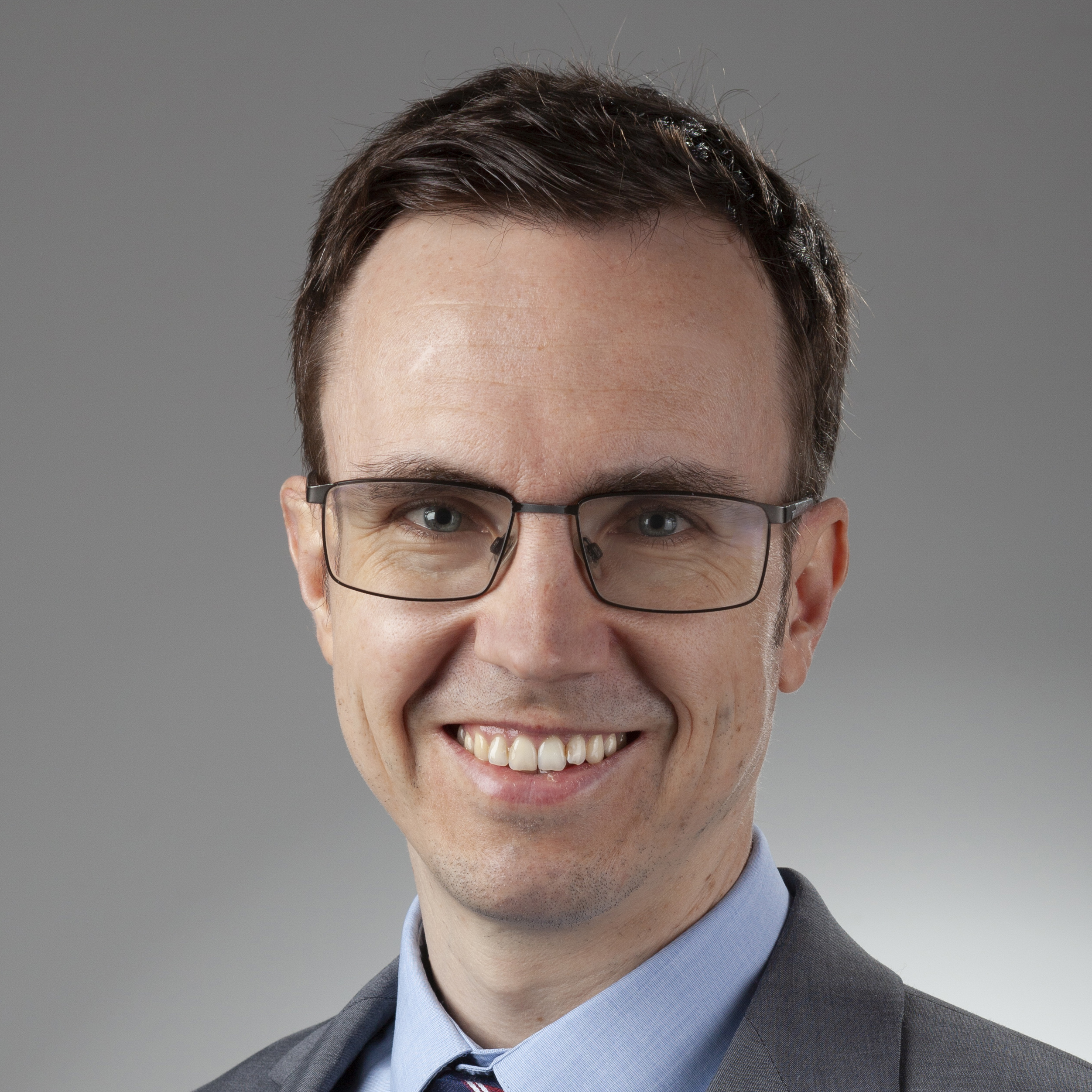
Akademischer Oberrat (AOR), Ludwig-Maximilians-Universität München
Dr. Küchemann completed his diploma in physics at the Georg-August-Universität Göttingen, Germany, in 2010. He also did his PhD Georg-August-University Göttingen, Germany, on thermodynamic and kinetic properties of metallic glasses during ultrafast heating in 2014.
Afterwards, he joined the Institute of Materials Science and Engineering at the University of Illinois at Urbana-Champaign, USA, as a Research Scholar for two years.
In 2017, he switched from solid-state physics to physics education research and worked as a postdoc at the Physics Education Research group at TU Kaiserslautern, where he was appointed Junior Research Group Leader in 2021.
In 2022, he took over the junior research group leadership for AI in physics education at the Chair of Physics Education at Ludwig-Maximilians-University Munich, Germany, where he was appointed Research Group Leader in 2023.
He has published more than 100 articles in the field of AI in Science Education, he is highly cited, and he leads several projects on AI-based personalization in STEM education.
He is also founder and shareholder of Ease of Mind GmbH, which is a spin-off from his group and focuses on developing AI-based tools for Education.
View Title and Synopsis
In recent years, generative artificial intelligence (GenAI) has had a substantial impact on STEM education. Alongside observed challenges for learners, such as over-reliance on GenAI outputs and limited cognitive activation when using these tools, the conditions under which GenAI is systematically more effective than traditional teaching approaches remain insufficiently understood.
In this talk, we present findings from a meta-analysis of more than 80 studies, providing an overview of robust evidence as well as factors that remain unclear in research on GenAI in STEM education. We identify fundamental challenges and highlight claims that are not yet supported by empirical evidence. Furthermore, we discuss opportunities and implications for STEM teaching practice when integrating GenAI tools.
Finally, we examine an example illustrating the circumstances under which fine-tuning GenAI models can provide a substantial advantage for learning in STEM disciplines.
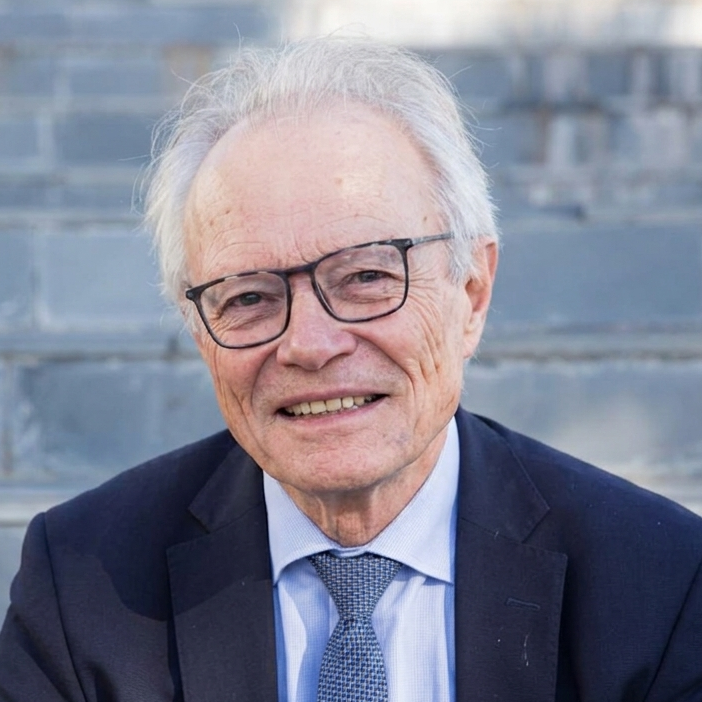
Chair PISA Science Expert Group and Kamalachari Professor of Science Education, Emeritus, Stanford University
Jonathan Osborne is the Kamalachari Professor of Science Education, Emeritus at the Graduate School of Education, Stanford University.
After teaching high school physics in Inner London for 9 years, he then moved to teacher training and research at King’s College. He completed his PhD in 1995. He was co-author of the report Beyond 2000: Science Education for the Future in 1998; President of the US National Association for Research in Science Teaching (2006-7) and a member of the US National Academies Panel that produced the Framework for K-12 Science Education.
In 2018, he was awarded the National Association for Science Education award for Distinguished Contribution to Science Education. Currently, he chairs the expert group for the framework for the science assessments conducted by the OECD Program for International Student Assessment (PISA) in 2015 and 2025. Most recently he was the lead author of report Science Education in an Age of Misinformation.
His research interests are in the role of argumentation in science, improving the teaching of literacy in science and addressing the issue of misinformation in science.
View Title and Synopsis
The primary focus of the PISA Assessment in 2025 was on the outcomes of school science education for 15-year-olds. The 2025 Assessment framework, which was the basis of testing in over 90 countries in 2025, introduced three new elements.
First, two of the original competencies in the 2015 framework were merged. This change enabled the introduction of a new third competency that measured students’ ability to “research, evaluate and use scientific information for decision making”. Second, because of the importance of educating students about the environment, climate change a specific focus on environmental education was added. The framework for this was elaborated in the document Agency in the Anthropocene. This framework has three new competencies with a focus on education for sustainability and climate change. Finally, the concept of attitudes to science has been broadened to the notion of science identity which introduces the notion of capital.
This talk will explain these changes, their rationale and illustrate ways in which they were measured with sample items. In addition, it will present the findings from the results published in September, 2026 and discuss their implications.